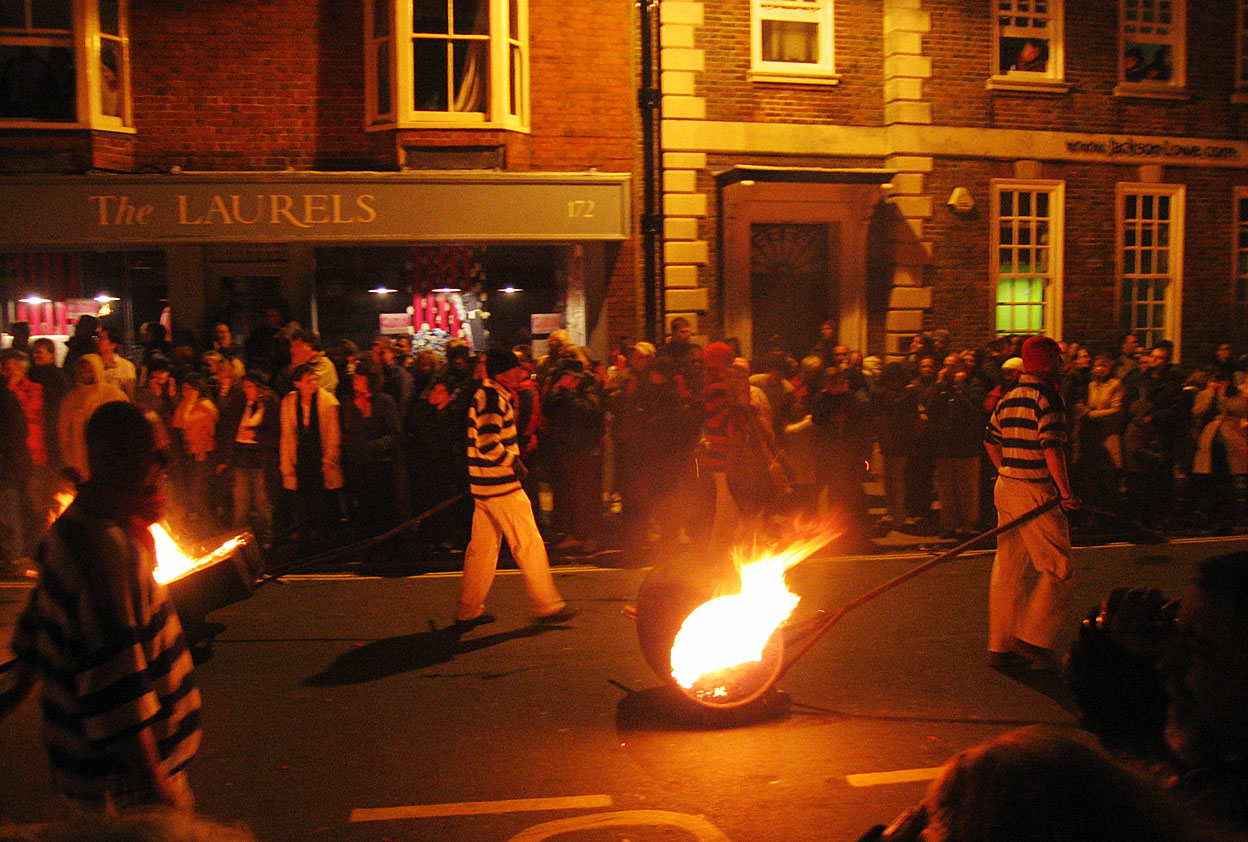
Bonfire Night remains popular as 20,000 people attended Lewes Bonfire Night last Thursday. As Bonfire Night continues to be a tradition across the nation, with firework displays and crowds of people on the streets, why is it celebrated?
The history behind Bonfire Night dates back to the ‘Gunpowder Plot’, where conspiracist Guy Fawkes failed to blow up the Houses of Parliament and assassinate Protestant King James I of England. People lit bonfires across London to celebrate the failed assassination of the King.
Georgina Doherty, an archivist for the Battle and District Historical Society, said: “Burning was also a standard punishment for some crimes and so the November 5th commemoration soon involved placing an effigy of Guy Fawkes (the “Guy”) on the fire.
“Nowadays, this effigy has been supplemented by other individuals or groups in the public eye, and the event has evolved to lose much of its original political and religious significance.”
Across East Sussex, Lewes, Hastings and Battle have already hosted their annual bonfire night, with other towns to host soon, including Rye (November 14) and Robertsbridge (November 21st).
Doherty added: “Although the day is commemorated throughout the land, the events are celebrated with particular enthusiasm in Sussex.
“So much so that the celebrations in numerous towns and villages are staggered over several weeks.“
The Argus previously reported that an estimated 20,000 people attended the Lewes bonfire night, with an estimated 50% decrease of people attending in contrast to last year’s bonfire night, according to The BBC. This decrease may have been contributed to the growing awareness of public safety last year, with emergency services urging people coming out of town to stay away.
In preparation for Halloween and bonfire nights in the busiest towns including Lewes and Battle, the Metropolitan Police issued a public safety notice for people attending these events, saying:
“You may notice an increase in police presence over the next few weeks.
“We want everyone to enjoy the festivities, and officers will be working hard from Friday 30 October to Sunday November 8 to keep the public safe.“