I knew who I was when my brother brought home a new Chelsea jersey for me.
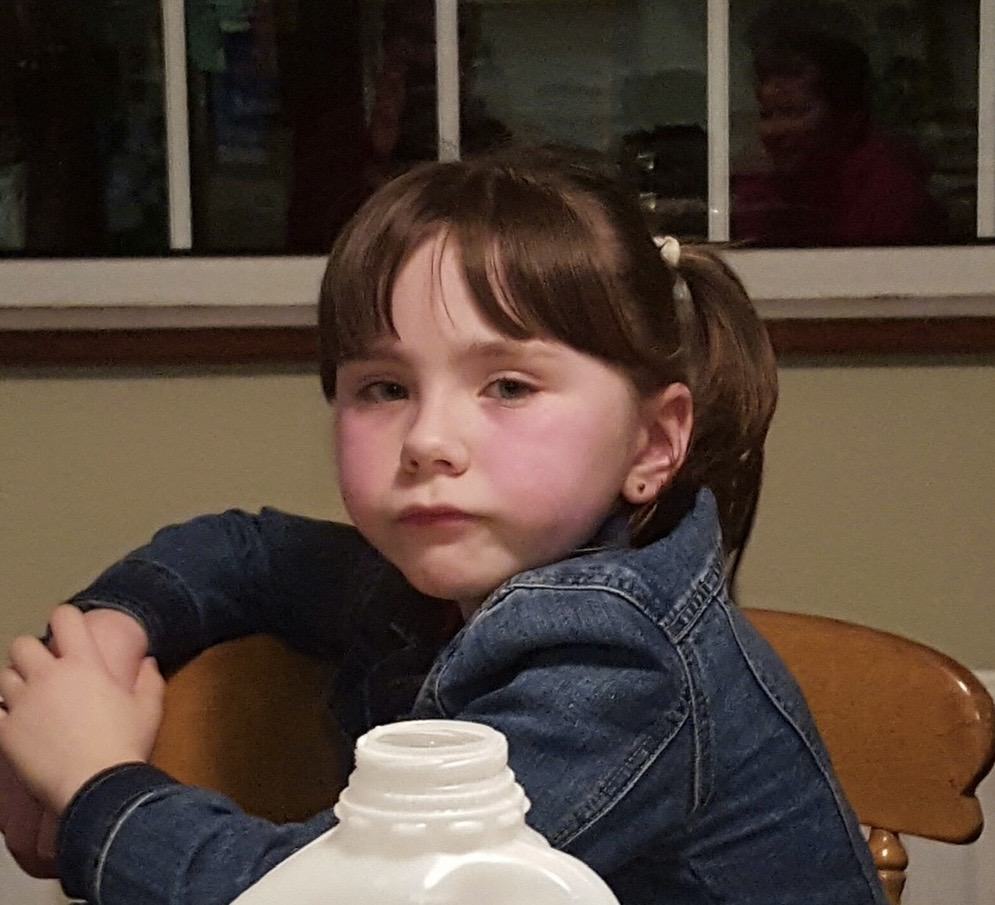
I was six years old. I had a love for Fernando Torres and a great big brother with pocket money. It had his name on the back and all. I loved it. I wore it so proudly.
I knew who I was as I put the kit on, with the blue socks pulled up to my knees. I didn’t know it was love that had motivated this purchase; I was just glad I had a new outfit to wear to the “kick-around” with my brothers. I was one of them then. I knew who I was, and I was proud that I qualified to assist in their backyard tournaments.
I knew who I was when I dominated the living room with my dance routines, disturbed my family with constant singing and performed “Tracy Beaker” impressions for anyone who would listen. I joined a stage school and found reassurance in knowing that this, certainly, was my passion.
It was fun to explore. Less fun, then, when I auditioned for roles and never, ever got them. Less fun, again, when the teacher would always knock me down with cruel, cruel words and nasty comments.
Still, I knew who I was to a certain extent when my family sat in the audience. I knew who I was when my auntie said I was the best dancer in the world, and my sister insisted I would’ve done much better had I been given the main role. I almost believed her. I might’ve classed it as not enough, yet, nonetheless, I knew who I was as I moved on, and there was reassurance in that too. I didn’t have to try so much.
I was a girl on a football pitch once, not like Fernando Torres; it was Gaelic football.
I learned who I was, and it was not there, that is for sure. I refused to quit for plenty of years, resisting the retirement of the last piece of my identity that classified me as “normal”, “sound” or “worthy” “enough”. The mask was clear. I so obviously did not belong, and the false act could only be kept up for so long. I knew who I wasn’t – that was something, I suppose, and I haven’t picked up a football since.
Secondary school began, and I knew who I was as I dashed from the bus stop to the big, blue gates. I admire my confidence in a bright yellow raincoat and large, round glasses, far too big for my face. I was told to speak up; I was painfully quiet.
I did not long for teenage fun, like village hall discos and drinking in fields. Instead, I sought conversations about books and a bubble that existed entirely separately from the typical Irish “teenage hood”. Perhaps it was fear that drove this desire, but I suppose I knew who I was in this confident ignorance, and I almost respect the perseverance it took.
A new me was founded when I switched secondary schools, and I shed the word “shy” from my identity.
Amidst the fear, I fell into a passionate stride, and life picked up, finally.
I knew who I was as my voice got louder and my laugh dominated a table.
I established a group of friends in my final year, and I knew who I was as we conquered the world from a dingy desk in a cold lunchroom in rural Ireland. Glory was felt in this bubble of joy, and I touched upon victory as we graduated, side by side.
I knew who I was as I finished my exams and drove away from that horrible, shabby, miserable building. Thanking myself and the gods in the sky, I strode into summer with a power like no other, and life was so hopeful, so easy. Blissful, really.
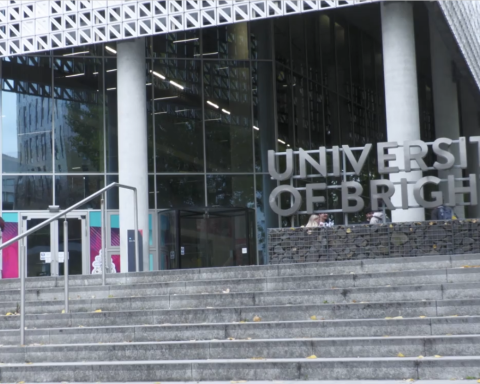
I knew who I was as I boarded the plane to Brighton, in a frenzy of hope and determination. Yet, I remember the feeling, uneasy and strange, as the plane landed.
When my feet hit the ground, they were shaky. Out of sync.
The identity at home that had been holding me up was nowhere to be found here. The streets defeated me, crowds felt so lonely, and I could not find myself in this unfamiliarity.
Constantly, I longed for somebody Irish to pick me up and whisk me away, saying, “Don’t worry, I lost myself here too.” That powerful, energetic girl seemed to have been left at home. Did I forget to bring her with me?
I went home for a bit. I didn’t know who I was; I realised I had no idea how to summarise myself to people upon introduction. My throat was always choked up, with a tear on the way, and I missed recognising myself in the mirror.
Fortunately, my week of rural air taught me that I still existed in this way.
I was still alive, but this powerful woman I had so carefully curated remained at home in Ireland. That’s why I couldn’t find her. She hadn’t followed me over.
She knew who she was, but it was time to move on. Venture forth on a new journey.
It’s true, I could do great things at home, but I would never know “who I was” in Brighton.
So, I am back again.
And I am figuring out the version of me that exists here.
It’s hard at times. She is distant and confined, but she is really finding her way. I trust her. I do, and I am taking her hand, embarking on this adventure.
I don’t know who I am, not even at all. But certainly, I am getting to know her.