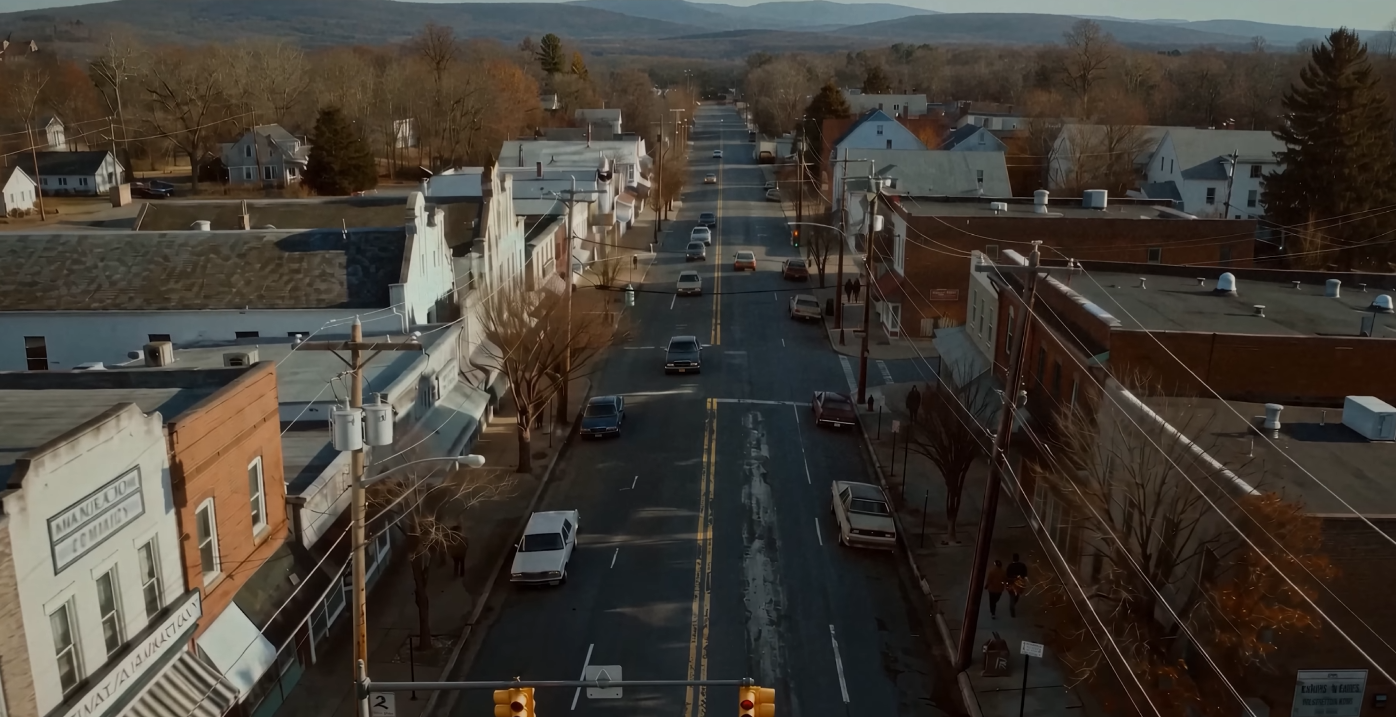
Over 80,000 views in its first day of release on YouTube, nearly four million views on Instagram. These are the results of an artificially generated movie release, Last Recall. A 30-minute apocalyptic Sci-Fi flick featuring a multitude of settings: a rural town, a bunker, two highways, and two houses in the woods. Packed with action of shootouts, destruction, and car explosions, this dystopian motion picture offers a sneak peek into the coming future the film industry is set to undergo. If Oscar Wilde once said that, “Life imitates Art far more than Art imitates Life”, then technology continues to master the art of imitation.
Limited budgets are a true case among major production companies, but for Kavan Cardoza, an AI filmmaker, film director, and writer, securing financing or networks for releasing the final product was not an issue. Without charging viewers to contemplate his creation, his strategy took a different approach to a theatrical release and production. By utilising tools of the popular AI-powered platforms, Cardoza did not bother with the semantics of typical day-to-day bureaucracy of movie studio operations. Last Recall is a one-man job to hit social media and video platforms, and all it took was to avoid any form of collaboration with voice actors in its final release.
In this context, movie studios themselves are divesting from human labour to AI-generated content. Last year, Netflix reported a shift in favour of artificial intelligence to cut down its costs and ultimately production speed. The industry report published by Allianz Global Investors rubs salt in the wound further by highlighting that film studios can save up to $40 million in spending. More depressing is the aftermath that follows, which comes with job cuts and redundancies, thanks to the thirst for more from the consumer.
Whenever we think of the movie industry, a vivid illustration might come to mind of all the people involved: producers, camera crews, assistants, security personnel, stylists, make-up artists and actors, all putting their maximum effort to ensure their movie can get the award it deserves. The 20th century marked the zenith of creative job opportunities. Scenic artists were in demand for producing gigantic canvases for the scripted illusion of a story. Stylists and dressmakers had the opportunity to dress up the famous to get their work recognised. Supporting actors would exercise their charisma to get the leading role they deserved.
Meanwhile, the increasing democratisation of creativity via tech has made their labour cheap, unworthy, and time-consuming for investors to bother with. We have officially entered a time when indie filmmaking will lead to the depletion of natural resources, and major companies won’t be at fault.
The rate of releases has been growing since the inception of the movie industry business model. In particular, the focus here is on the controversy over how much it has contributed to fossil fuel emissions. While artificial intelligence may reduce the impact, its data centres create a new dilemma to deal with. Heavily reliant on water as a resource to operate, the ease, affordability, and accessibility of making a movie will increase its consumption by data centres. To this day in the UK, 68% of data centres are located close to protected biodiversity areas, whose ecosystems depend heavily on clean and reliable water supplies.
The content creator economy is transforming in ways that make creativity not a gate-kept experience, but rather customised to personal interest. With access to a computer and subscription fees, anyone will have become a filmmaker. The cost at which this freedom comes, however, leaves anyone with an ethical responsibility to compensate for the damage to our eco-system. If Cardoza decided to avoid speaking up to the press with regard to this dilemma, perhaps it is time for other generative creatives to take responsibility for their actions.